
Cut Out Drip Trays
-
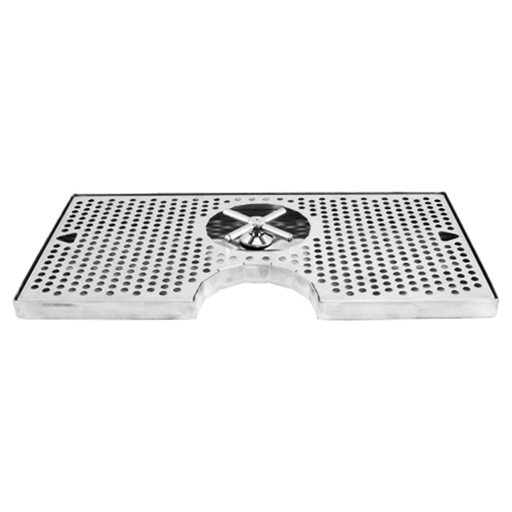
Countertop Drip Tray, 20" x 10", Rinser, Cut out
insidebeer.comOriginal price $208.60 - Original price $208.60Original price$208.60$208.60 - $208.60Current price $208.60Countertop Drip Tray: Keep Your Bar Clean and Professional with a Stainless Steel Cut-Out Drip Tray from Insidebeer.com If you're looking for a hi...
View full detailsOriginal price $208.60 - Original price $208.60Original price$208.60$208.60 - $208.60Current price $208.60 -
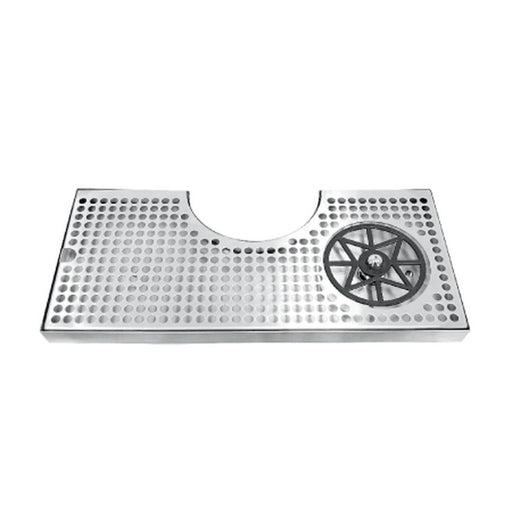
Cut Out Drip Tray, 18 x 8, Rinser
insidebeer.comOriginal price $239.29 - Original price $239.29Original price$239.29$239.29 - $239.29Current price $239.29Cut-Out Drip Tray: 18 x 8, Rinser - Product Description by Insidebeer.com If you're in the market for a cut-out drip tray that is both functional ...
View full detailsOriginal price $239.29 - Original price $239.29Original price$239.29$239.29 - $239.29Current price $239.29 -
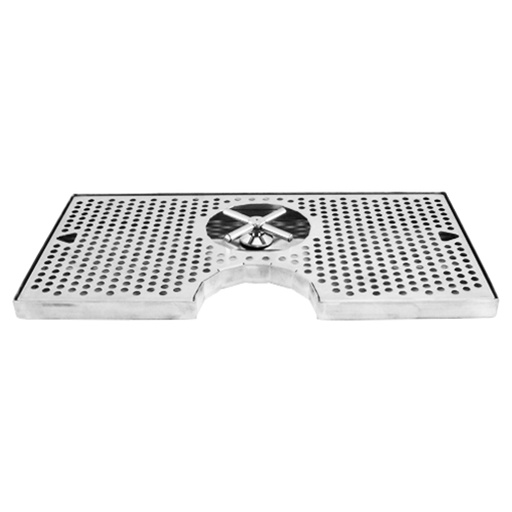
Countertop Drip Tray, 28" x 10", Rinser, Cut out
insidebeer.comOriginal price $250.28 - Original price $250.28Original price$250.28$250.28 - $250.28Current price $250.28"Professional and Clean Dispensing Area with Countertop Drip Tray and Rinser from Insidebeer.com" As a bartender or pub owner, you understand the ...
View full detailsOriginal price $250.28 - Original price $250.28Original price$250.28$250.28 - $250.28Current price $250.28 -
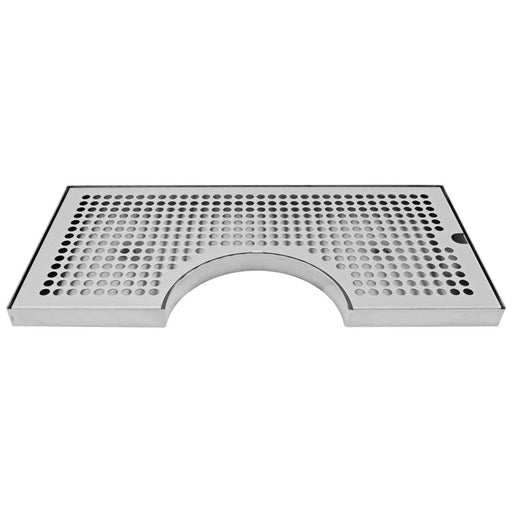
Cut Out Drip Tray, 18 x 8
insidebeer.comOriginal price $194.53 - Original price $194.53Original price$194.53$194.53 - $194.53Current price $194.53Insidebeer.com's Cut-Out Drip Tray: A Professional and Clean Look for Your Bar or Pub As someone who owns or manages a bar, pub, or dispensing are...
View full detailsOriginal price $194.53 - Original price $194.53Original price$194.53$194.53 - $194.53Current price $194.53




Stainless Steel Growlers: Benefits, Features, and Types
Are you tired of using disposable beer containers and want to step up your beer game? Look no further than stainless steel growlers. They are an eco-friendly, durable, and portable alternative to glass and plastic containers. In this article, we'll discuss the benefits of using stainless steel growlers, their main features, and the different types available on the market.
Benefits of Stainless Steel Growlers
-
Durability: Stainless steel growlers are designed to last for years. They can withstand extreme temperatures, impacts, and pressure without breaking or cracking, making them a reliable choice for beer lovers who enjoy outdoor activities such as camping, hiking, and picnicking.
-
Sustainability: By using a stainless steel growler instead of disposable beer containers, you are contributing to a more sustainable environment. You can save money and reduce waste by refilling your growler at your favorite brewery or taproom instead of buying a new container every time you want a fresh beer.
-
Portability: Stainless steel growlers are lightweight and easy to carry around. Most models come with a handle or strap for comfortable transportation, making them a great choice for beer enthusiasts on the go.
Main Features of Stainless Steel Growlers
-
Temperature Retention: Stainless steel growlers are designed to maintain the temperature of the beer inside for an extended period. They are insulated and can keep beer cold for up to 24 hours or hot for up to 12 hours.
-
Freshness Seal: Stainless steel growlers are airtight, which means that they keep the beer fresh for longer. They prevent oxygen from entering the container, which can cause the beer to go stale and lose its flavor.
-
UV Protection: Stainless steel growlers protect beer from harmful UV rays, which can cause the beer to become skunky and unpalatable.
Types of Stainless Steel Growlers
-
Single-Wall: Single-wall stainless steel growlers are the most basic type. They are made of a single layer of stainless steel and are affordable and lightweight. However, they are not insulated and do not retain temperature as well as other types.
-
Double-Wall: Double-wall stainless steel growlers are insulated and can maintain the temperature of the beer inside for longer. They are more expensive than single-wall models but are ideal for beer enthusiasts who want to keep their beer cold or hot for extended periods.
-
Pressurized: Pressurized stainless steel growlers are a newer type of growler that uses CO2 to maintain the freshness and carbonation of the beer inside. They are ideal for beer enthusiasts who want to enjoy their favorite craft beer in the comfort of their own home without sacrificing quality.
Conclusion
In summary, stainless steel growlers are an excellent choice for beer enthusiasts who want a durable, sustainable, and portable container for their favorite craft beer. With their ability to maintain temperature, seal freshness, and prevent UV exposure, stainless steel growlers are the ultimate beer accessory. If you're looking for high-quality stainless steel growlers, check out Insidebeer.com, which offers a wide range of options to suit any taste and budget.